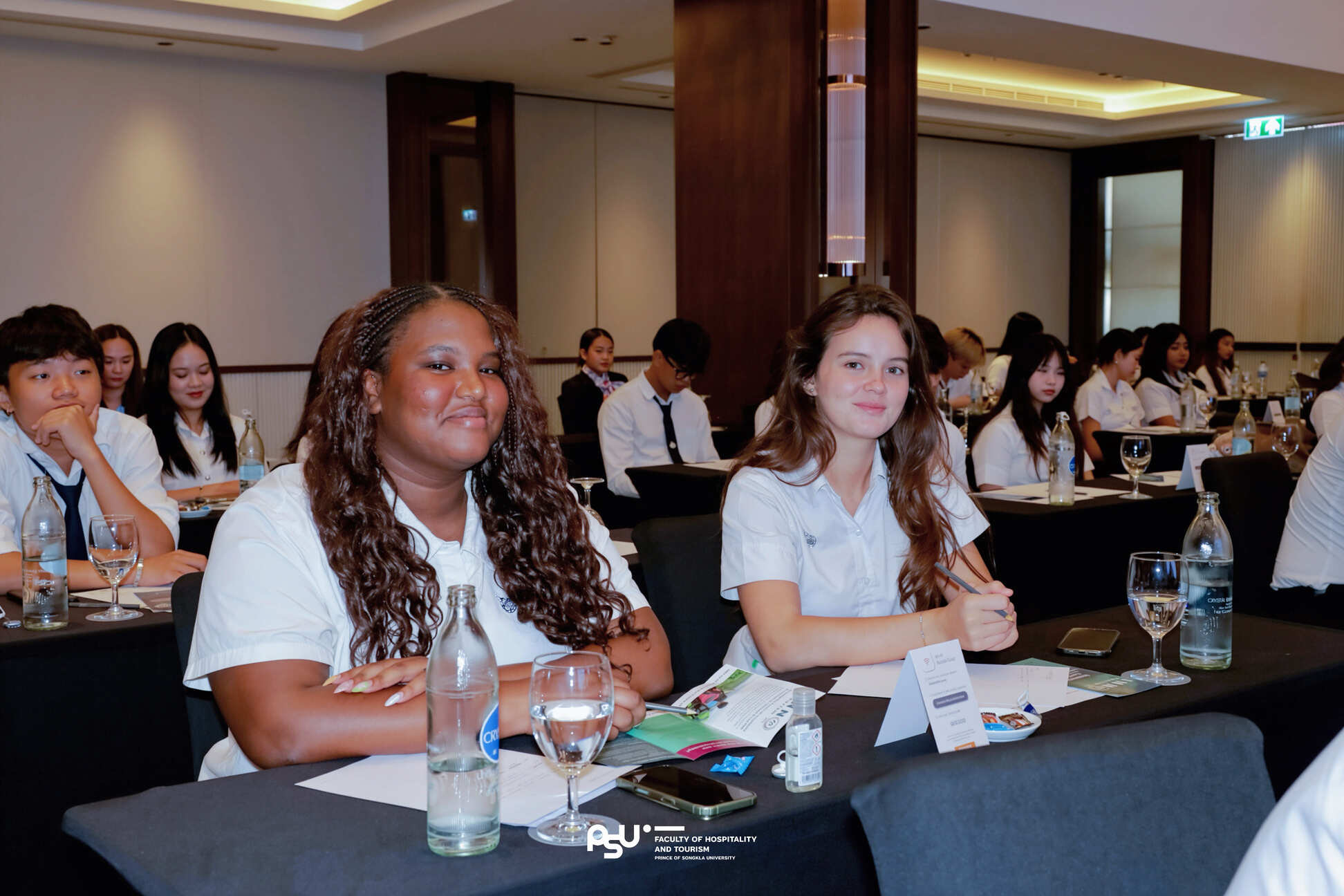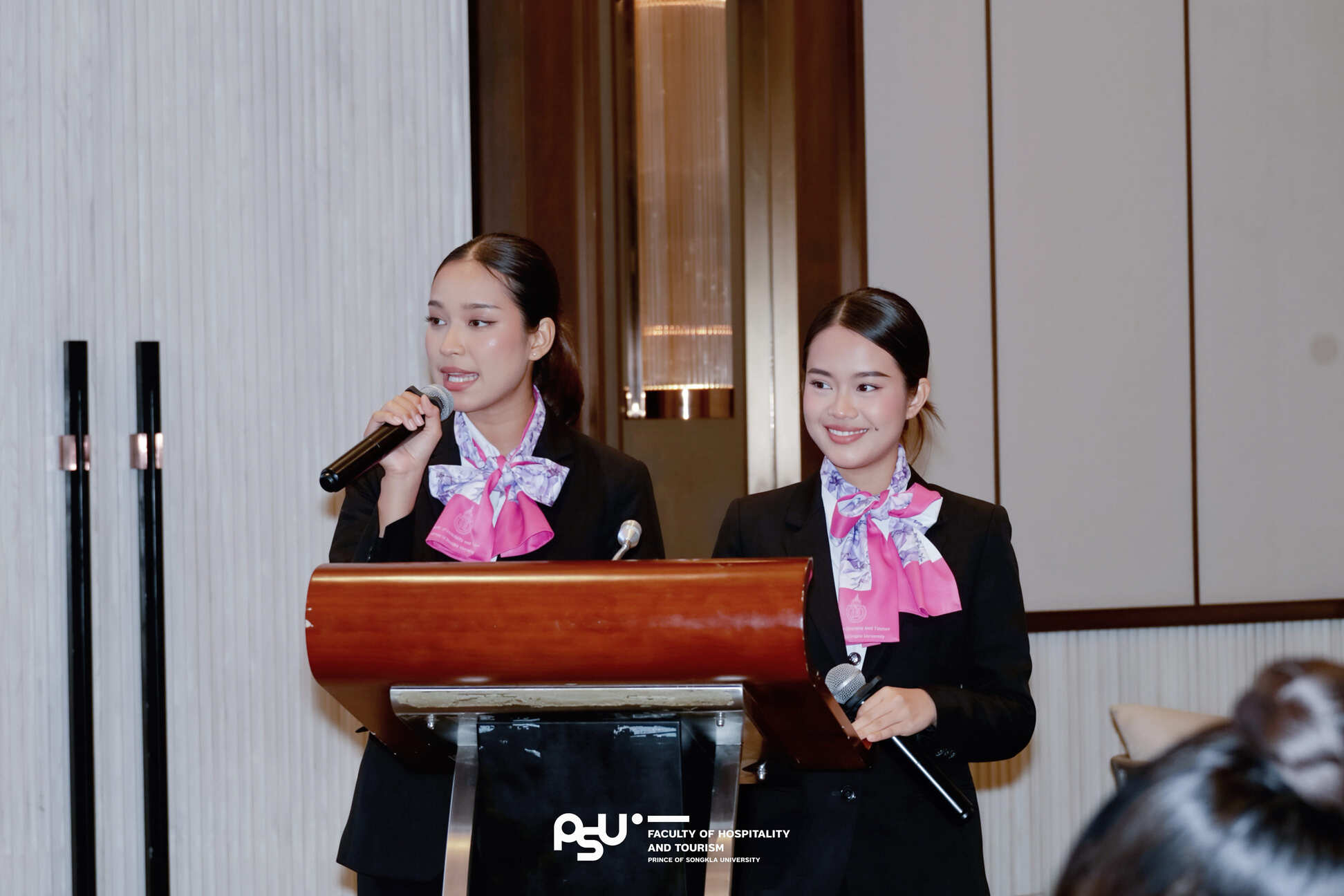

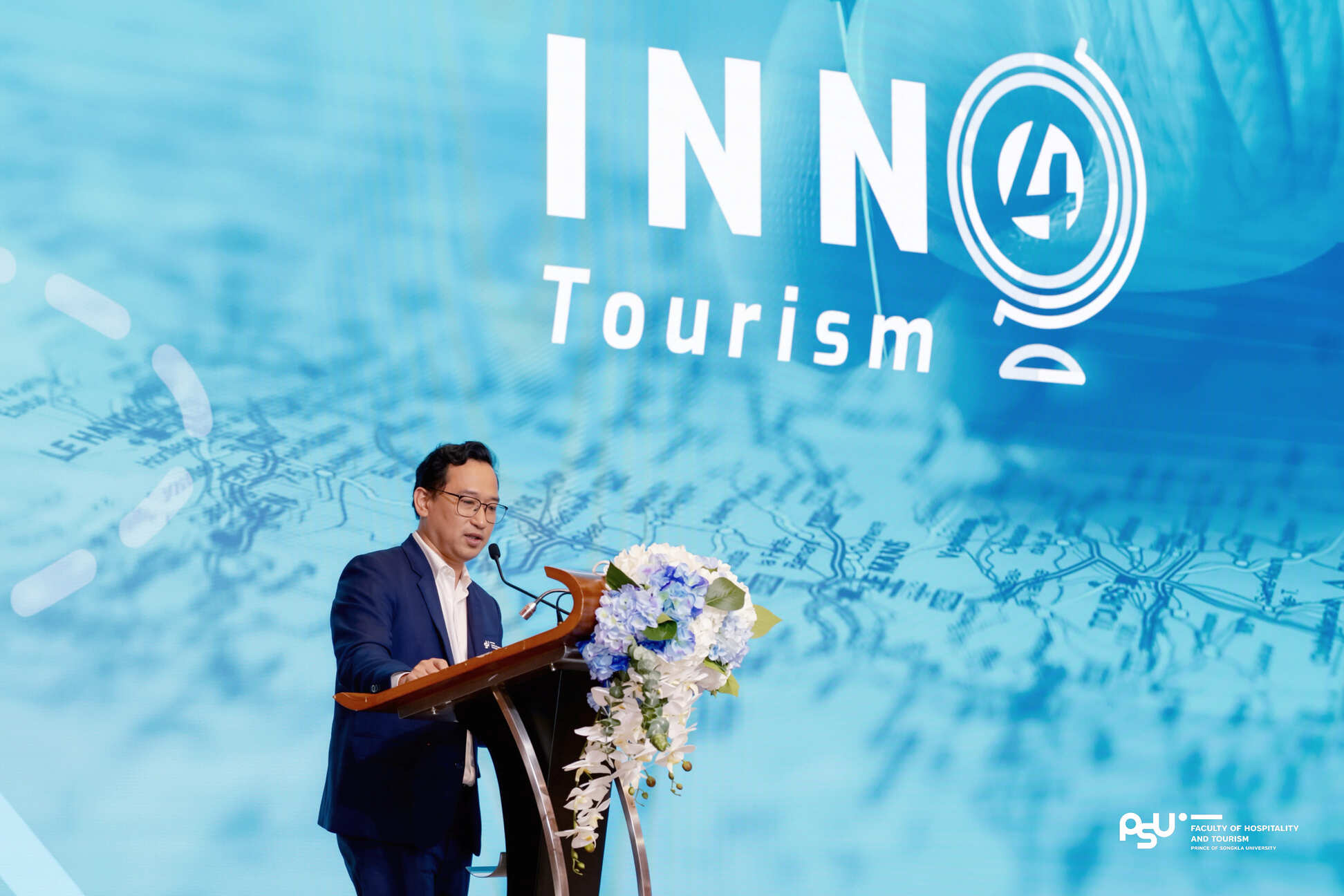
PHUKET, Thailand — Prince of Songkla University (PSU), through its Faculty of Hospitality and Tourism, Phuket Campus, hosted the Final Conference and Final Project Meeting of the INNO4Tourism – Innovative Curricula for Lifelong Learning of Sustainable Tourism Workforce project on 8–9 October 2026 in Phuket. The event brought together partners from higher education institutions, tourism organizations, research communities, and industry across Europe and Southeast Asia to review the project’s achievements, exchange knowledge and experiences, and strengthen long-term collaboration in tourism education and workforce development. The initiative aims to ensure that tourism education remains responsive to the rapidly evolving needs and emerging skills of the industry.
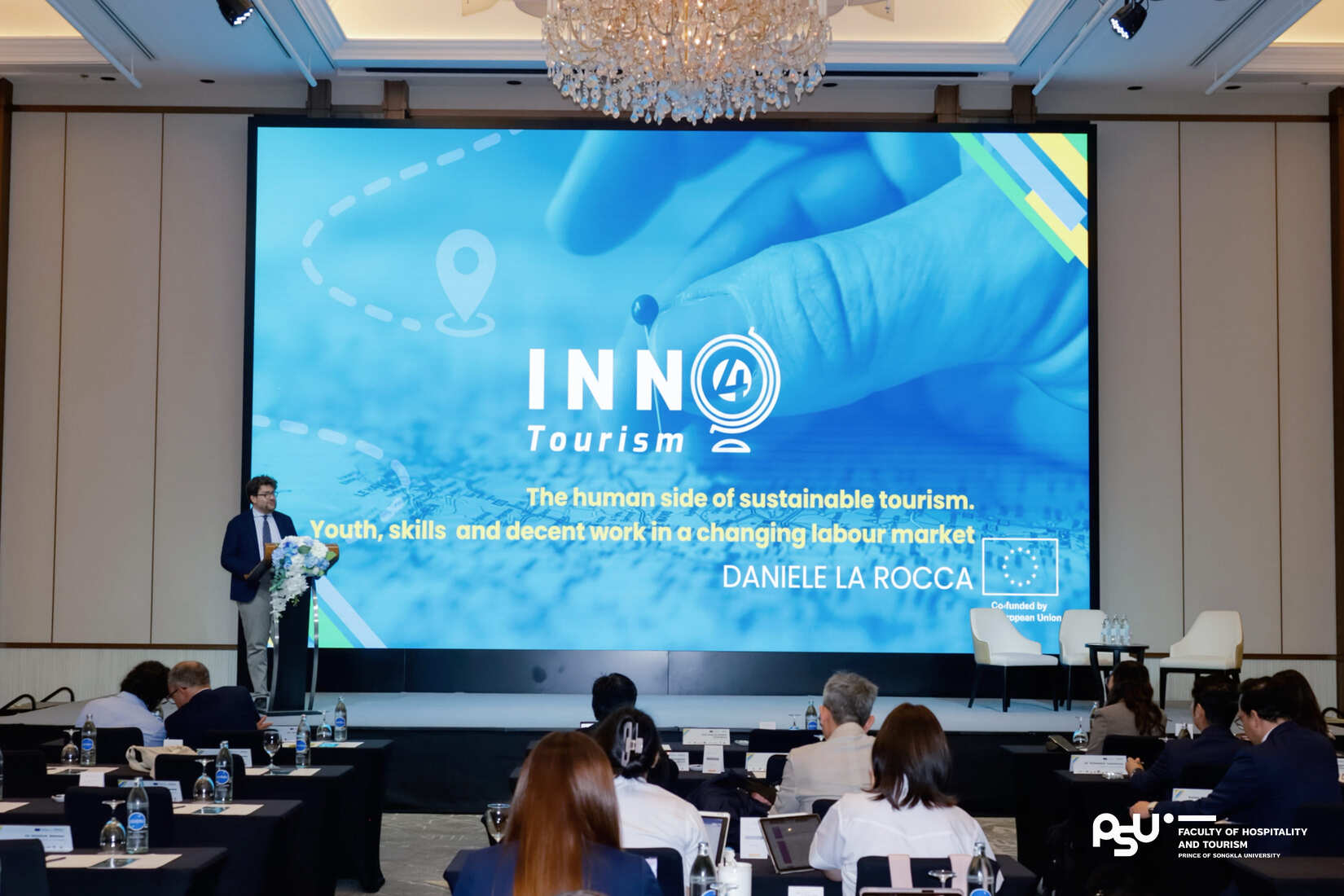
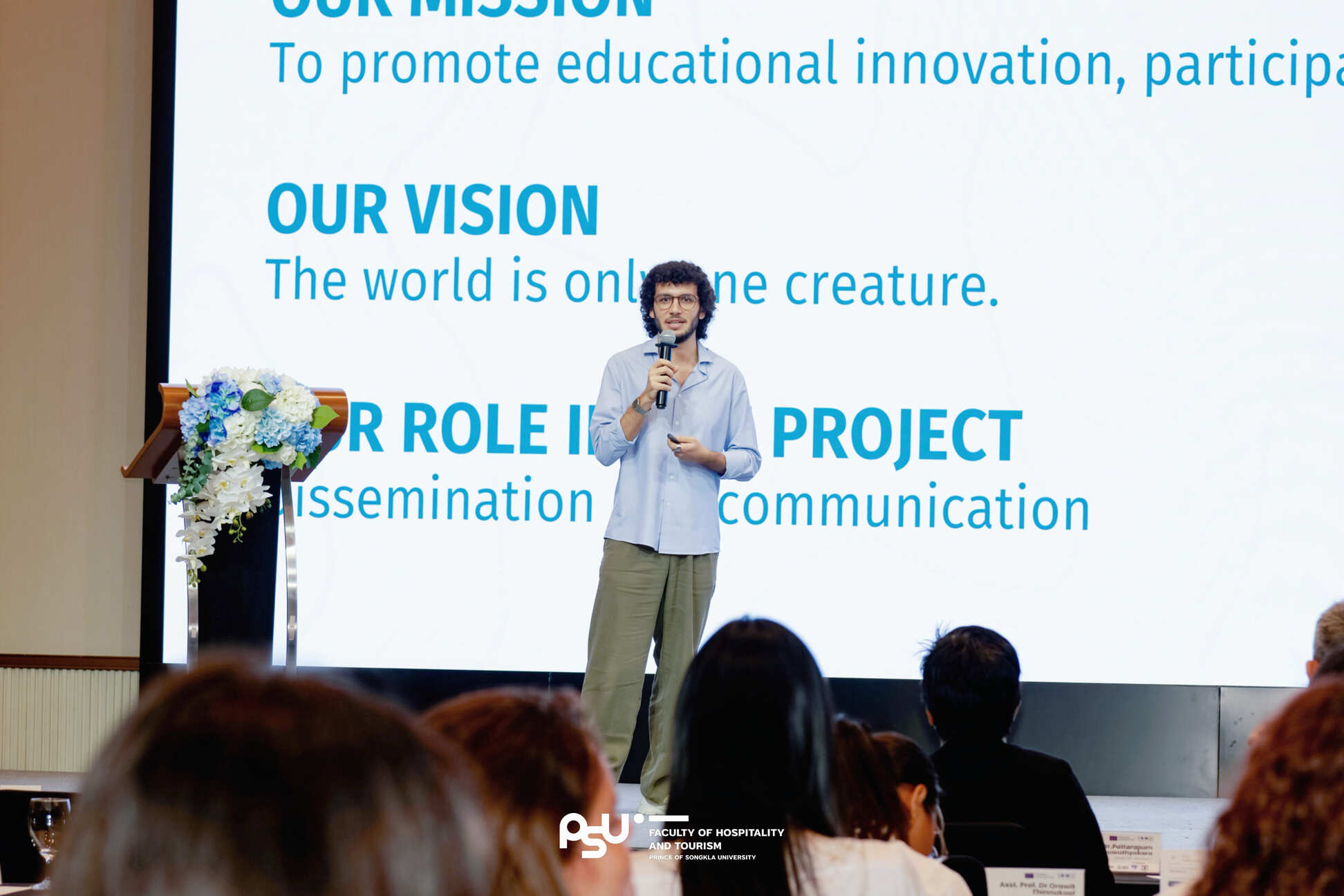
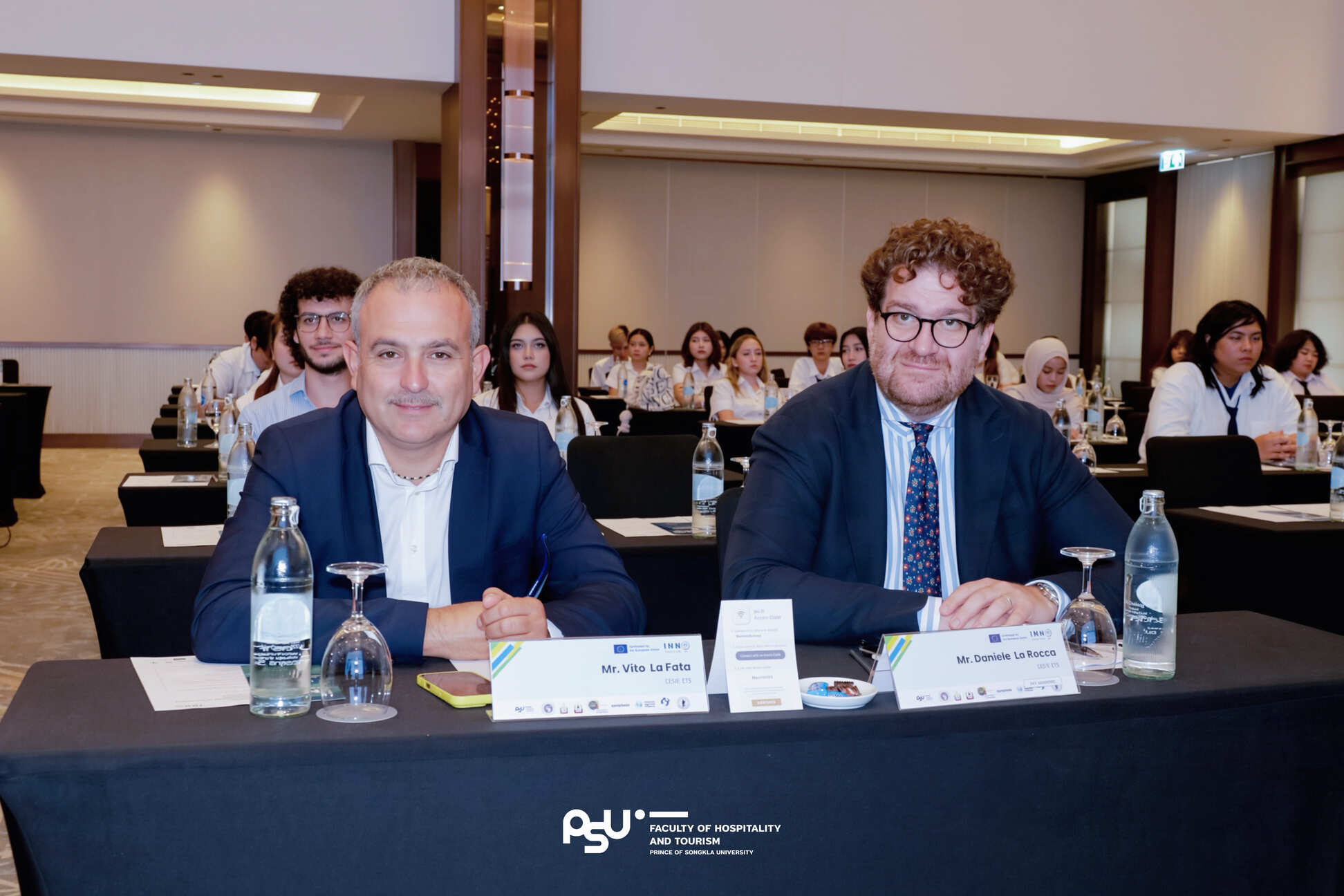
The Final Conference, held on 8 October at Courtyard by Marriott Phuket Town, was officially opened by Associate Professor Dr. Thakerng Wongsirichot, Vice President for Academic Affairs and International Relations, Prince of Songkla University. The opening session was followed by welcome messages from Associate Professor Dr. Pun Thongchumnum, Vice President for Phuket Campus, and Associate Professor Dr. Pornpisanu Promsivapallop, Dean of the Faculty of Hospitality and Tourism, PSU Phuket Campus. During the conference, Associate Professor Dr. Tatiyaporn Jarumaneerat, Project Coordinator of INNO4Tourism, presented an overview of the project’s progress, key achievements, outputs, and performance indicators. A video presentation also highlighted key activities and the collaborative efforts of project partners throughout the project period. Representatives from Symplexis (SYM), Università degli Studi di Palermo (UNIPA), CESIE, National University of Laos (NUOL), Savannakhet University (SKU), Chiang Mai University (CMU), Phuket Tourist Association (PTA), and Prince of Songkla University (PSU) shared experiences, achievements, and lessons learned from the project implementation.
A key component of the conference was the presentation of research addressing pressing challenges facing the tourism sector. Topics included social inequalities and the impacts of tourism; building the resilience of Phuket’s beach destinations to climate change; tourist behaviour and satisfaction based on online hotel reviews; youth employment and expectations of the labour market; and sustainability in higher education. The research sessions provided a platform for researchers, academics, and practitioners to exchange perspectives and explore ways to translate research findings into practical applications for the tourism sector.
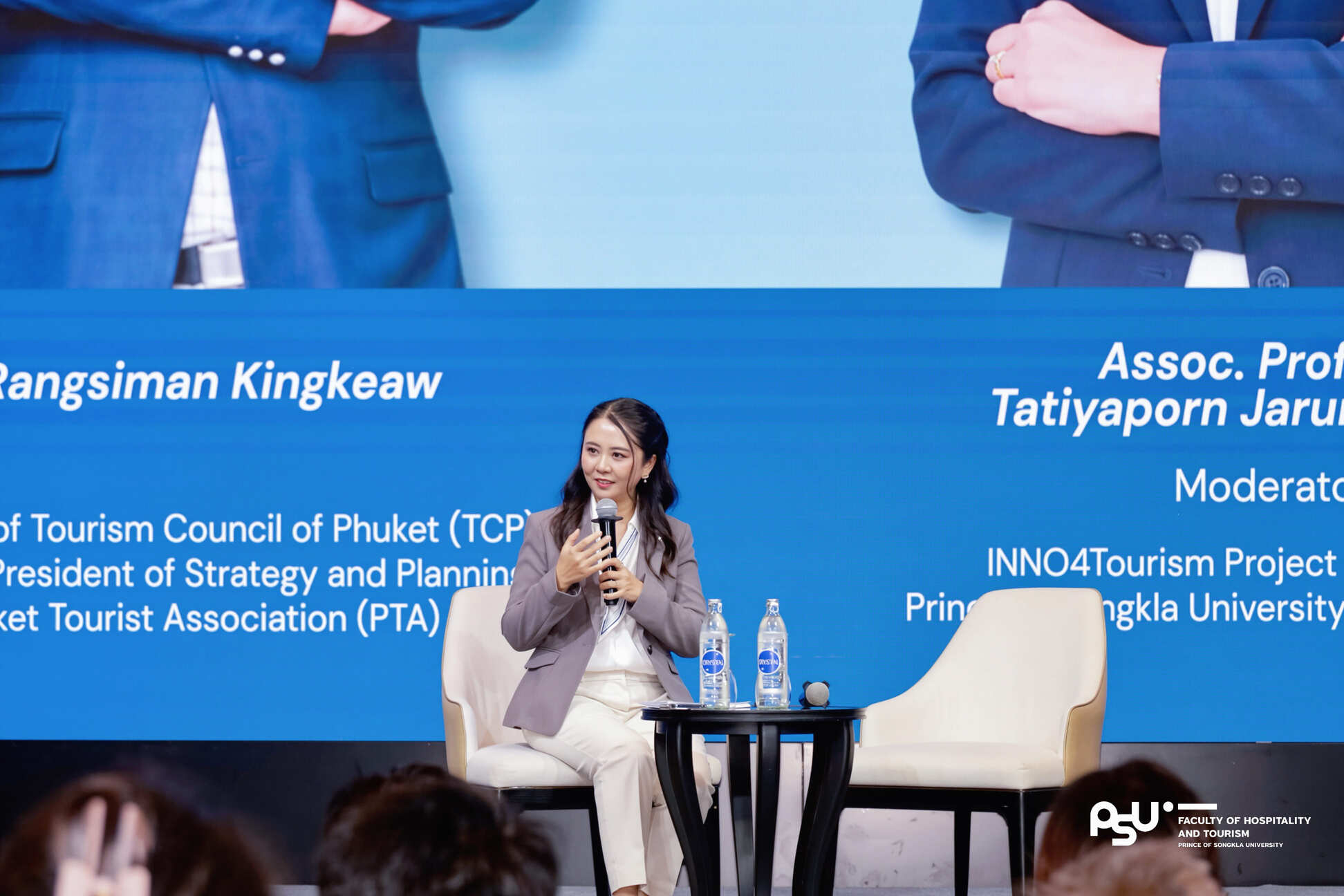
The Phuket Tourist Association also contributed to the conference through an Industry Panel Discussion, bringing together perspectives from academia and industry to discuss emerging trends in tourism and the skills required by the future workforce. The discussion highlighted the importance of continuously adapting tourism curricula to meet the changing needs of employers and the labour market. One of the key outcomes of the INNO4Tourism project is the establishment of mechanisms for international collaboration among higher education institutions, researchers, and tourism industry stakeholders. The project has supported the development of innovative curricula and learning approaches designed to strengthen essential competencies among tourism professionals, while creating opportunities for international knowledge and experience exchange. These outcomes provide a foundation for further development of lifelong learning opportunities and for ensuring that tourism education can respond effectively to the changing demands of the industry.
On 9 October 2026, project partners convened at the Faculty of Hospitality and Tourism, PSU Phuket Campus, for the Final Project Meeting. The meeting focused on reviewing the project’s implementation, outputs, achievements, challenges, and lessons learned. Partners also discussed strategies for utilizing the project’s outcomes and sustaining collaboration beyond the official completion of the project. The INNO4Tourism project is committed to advancing tourism education and lifelong learning through innovative curricula, research, knowledge exchange, and stronger connections between higher education institutions and the tourism industry across Europe and Southeast Asia. The closing event therefore represented not only the culmination of a significant international collaboration, but also a starting point for building on its achievements. Through continued development of curricula, research, networks, and tourism workforce capabilities, the project’s outcomes can contribute to creating a skilled and adaptable workforce equipped to respond to change and help drive the tourism industry toward a more sustainable future.